L
A
K
E
L
A
N
D
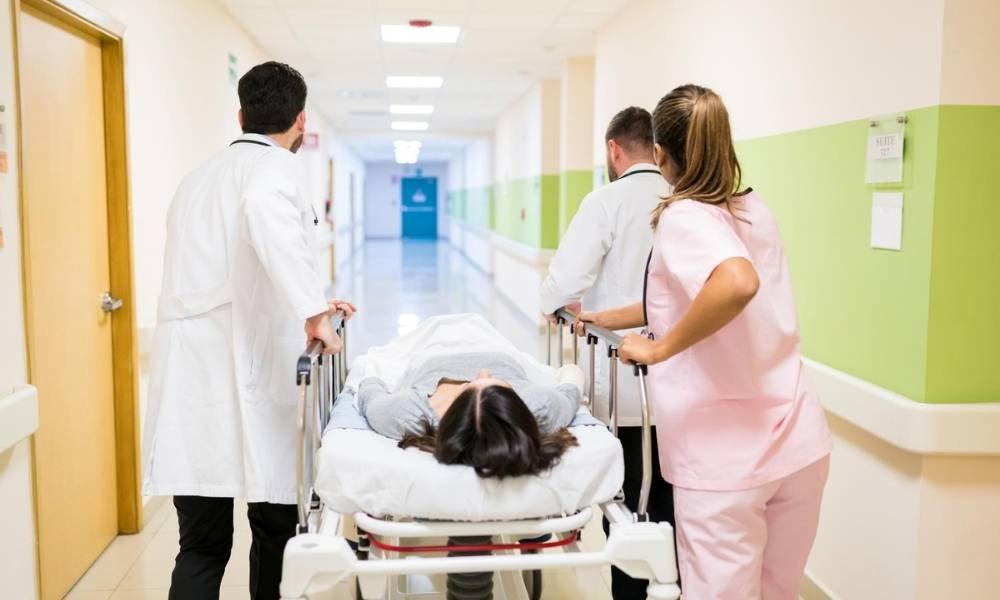
A medical emergency never comes with a warning and it can happen in the worst possible situation. It is important to make the right decision by getting the right medical attention quickly for a significant difference. From sudden chest pain and breathing difficulties to serious injuries and acute illnesses, emergencies require quick assessment, 24X7 Emergency care and appropriate treatment. In this critical situation, every second counts and so its important to know where to seek help. Emergency and critical care in Kolkata play an important role in managing serious medical conditions, stabilising patients, and supporting their recovery. Lakeland Multispeciality Hospital in Lake Town provides emergency and critical care services to patients who require timely medical evaluation and treatment.
Understanding Emergency and Critical Care
Emergency care focuses on the immediate assessment and treatment of sudden illnesses and injuries. The primary goal is to identify urgent medical problems, manage immediate risks, and determine the appropriate course of treatment.
Critical care, on the other hand, is intended for patients with severe or life-threatening conditions who need intensive monitoring and advanced medical management. These patients may require continuous observation, respiratory support, medication, or other specialised interventions depending on their condition.
Both emergency and critical care are essential components of modern healthcare. Early assessment and appropriate treatment can help reduce the risk of complications and support better patient outcomes.
When Should You Seek Emergency Medical Care?
Recognising the warning signs of a medical emergency can help prevent delays in treatment. Some symptoms may indicate a serious underlying condition and should never be ignored.
Seek immediate medical attention if you or someone around you experiences:
- Sudden or severe chest pain.
- Difficulty breathing or severe shortness of breath.
- Sudden weakness, facial drooping, or difficulty speaking.
- Difficulty walking or moving
- Loss of consciousness or sudden confusion.
- Severe bleeding or major injuries following an accident.
- Sudden, severe abdominal pain.
- Severe allergic reactions or rapidly worsening symptoms.
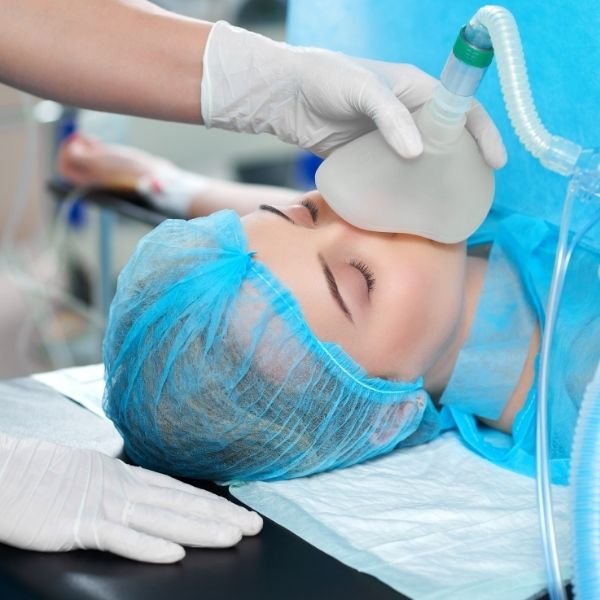
If you suspect a heart attack or stroke, do not wait for the symptoms to improve. Contact emergency services immediately and follow professional instructions.
The Importance of Timely Emergency Response
During a medical emergency, early recognition and rapid medical assessment are crucial. Delays can lead to deterioration in health conditions, potentially increasing the risk of serious complications.
Emergency healthcare professionals assess the patient’s symptoms, vital signs, medical history, and overall condition. Based on their findings, they determine the urgency of treatment and the need for further investigations or specialist consultation.
Initial treatment may include stabilisation, monitoring, medication, oxygen support when clinically indicated, and other interventions appropriate to the patient’s condition. Prompt decision-making helps healthcare teams prioritise life-threatening problems and plan the next stage of care.
When looking for emergency and critical care in Kolkata, patients and families should consider access to appropriate medical services, diagnostic support, and coordinated treatment.
How Diagnostic Facilities Support Critical Care in Kolkata
Accurate diagnosis is an integral part of emergency medicine. Many serious conditions have symptoms that overlap, making clinical assessment and appropriate investigations necessary.
Depending on the patient’s symptoms, doctors may recommend blood tests, an electrocardiogram (ECG), X-rays, ultrasonography (USG), CT scans, MRI, or other diagnostic procedures.
For example, an ECG may help evaluate certain heart-related problems, while imaging investigations can help doctors assess injuries or identify abnormalities affecting internal organs. The investigations required depend on the patient’s condition and the treating doctor’s assessment.
Access to appropriate diagnostic facilities can support timely clinical decisions and help healthcare professionals determine whether the patient needs medication, specialist treatment, hospital admission, or critical care.
Who May Need Critical Care?
Critical care is required when a patient’s condition is severe enough to demand close monitoring and specialised medical management.
Patients who may need critical care include those experiencing severe respiratory distress, serious infections, major trauma, complications following surgery, or other conditions that threaten vital organ function.
Treatment depends on the underlying illness and may involve continuous monitoring, intravenous medication, respiratory support, and coordinated care from relevant medical specialists.
Early identification of a patient’s deteriorating condition is particularly important. When necessary, healthcare professionals escalate treatment to provide the level of care appropriate to the patient’s clinical needs.

We push the limits of what’s possible for our patients. Our patients are our first Priority. We can go far for this at any cost.
DR. Soumil BeraThe Role of Multispeciality Care During a Medical Crisis
A medical emergency may require expertise from different medical specialties. For instance, a patient with sudden chest pain may need urgent assessment and cardiac evaluation, while someone with a serious abdominal condition may require surgical consultation.
A multispeciality hospital can help coordinate consultations, diagnostic investigations, and inpatient treatment according to the patient’s needs. Effective communication among healthcare professionals is essential for ensuring that important clinical information is shared and treatment decisions are made appropriately.
Lakeland Multispeciality Hospital in Lake Town, Kolkata, offers emergency and critical care services alongside specialist consultations, diagnostic facilities, and inpatient and outpatient services. The treatment provided depends on the patient’s condition and the medical team’s assessment.
How to Prepare for a Medical Emergency
Although not every emergency can be prevented, knowing how to respond can help reduce confusion during a stressful situation.
Keep important medical information accessible, including a list of current medicines, known allergies, existing medical conditions, and previous major procedures. Family members should also know whom to contact and where to seek emergency assistance.
Avoid self-medication or delaying professional evaluation when symptoms are severe. If an individual becomes unconscious, has difficulty breathing, or shows signs of a life-threatening condition, contact local emergency services immediately.
Following medical advice after an emergency is equally important. Depending on the condition, recovery may involve medication, follow-up consultations, rehabilitation, or lifestyle modifications.
Choosing Emergency and Critical Care in Kolkata
When searching for emergency and critical care in Kolkata, patients and families should look for a healthcare facility that can assess urgent medical conditions, provide appropriate stabilisation, and coordinate further treatment when required.
Important considerations include the availability of emergency services, diagnostic support, specialist consultations, inpatient facilities, and clear communication with patients and their families.
It is also useful to confirm the hospital’s current emergency arrangements, available services, and whether advanced critical care facilities are appropriate for the particular medical condition.
Lakeland Multispeciality Hospital: Emergency Care in Lake Town, Kolkata
During a health crisis, timely medical attention and appropriate clinical assessment are essential. Lakeland Multispeciality Hospital serves patients in Lake Town and surrounding areas of Kolkata with emergency and critical care services, diagnostic investigations, specialist consultations, and hospital care.
Along with their Emergency Care, Lakeland Multispeciality Hospital also provides care in different specializations that include Orthopedics, Chest medicine, Gynaecology, General medicine, Psychiatry and others. For people residing near South Dum Dum and Lake Town and are looking for the best Hospital in Kolkata, Lakeland Hospital is the name you can trust on. The nearest metro station is Belgachia Metro station for smooth hassle free transportation. If you or a family member experiences symptoms that may indicate a medical emergency, seek immediate professional medical attention rather than waiting for the condition to worsen.
Timely recognition of warning signs, prompt medical assessment, and appropriate treatment are important steps in managing a health crisis. When an emergency occurs, acting quickly can help patients receive the care they need.